For many buyers new to agricultural machinery, the biggest difference between two-wheel-drive (2WD) and four-wheel-drive (4WD) tractors seems to be simply the number of driven wheels. In reality, however, this seemingly simple difference directly affects the tractor's price, fuel consumption, maintenance costs, and suitable applications.
Let's start with 2WD tractors.
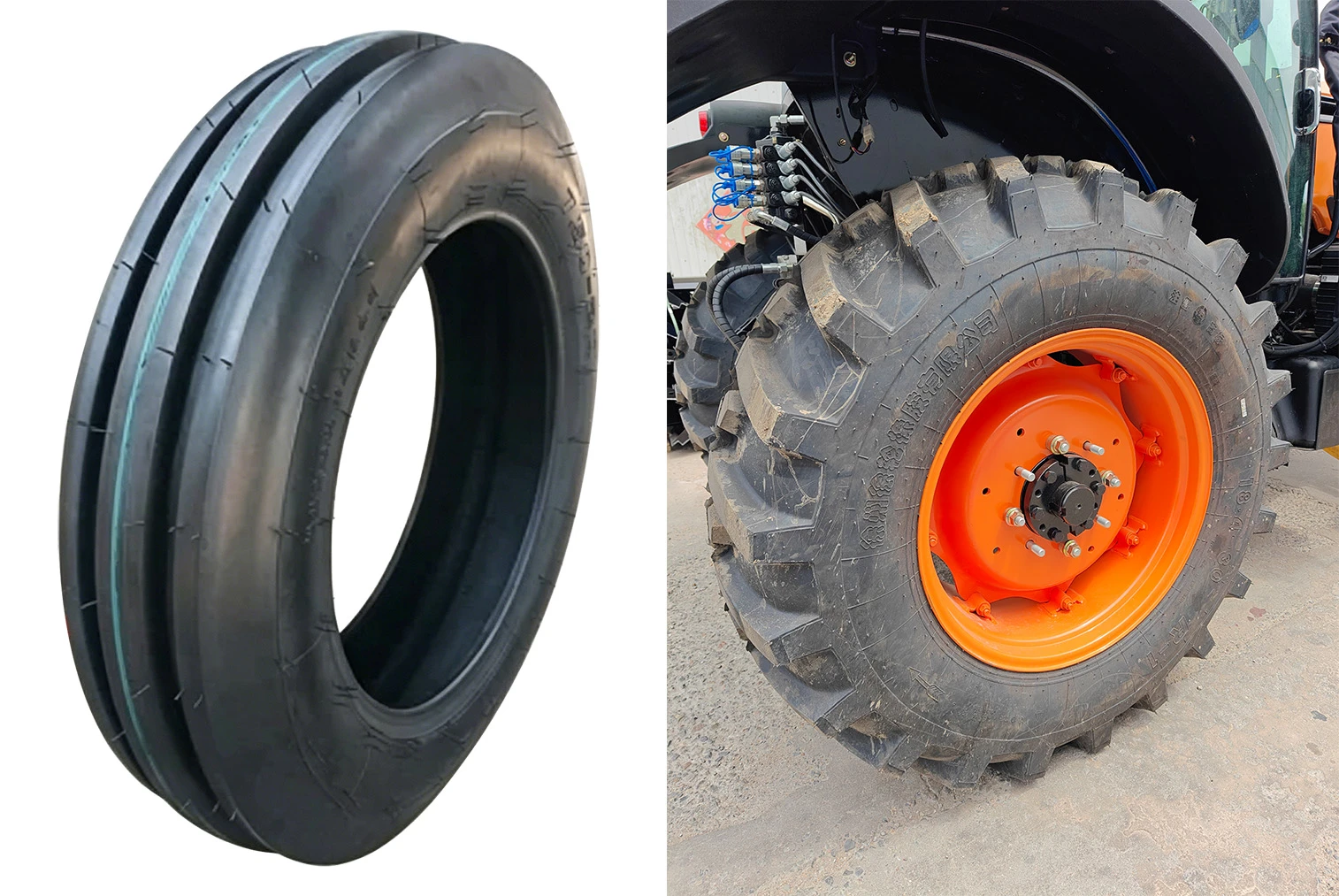
A key feature of 2WD tractors is that power is transmitted solely through the rear wheels, while the front wheels are primarily responsible for steering. Consequently, the machine lacks a front drive system-including a front drive axle, transfer case, and front drive shaft. By eliminating the entire front-drive system, 2WD tractors gain several practical advantages in cost, maintenance, and everyday operation. in terms of cost, maintenance, and operation.
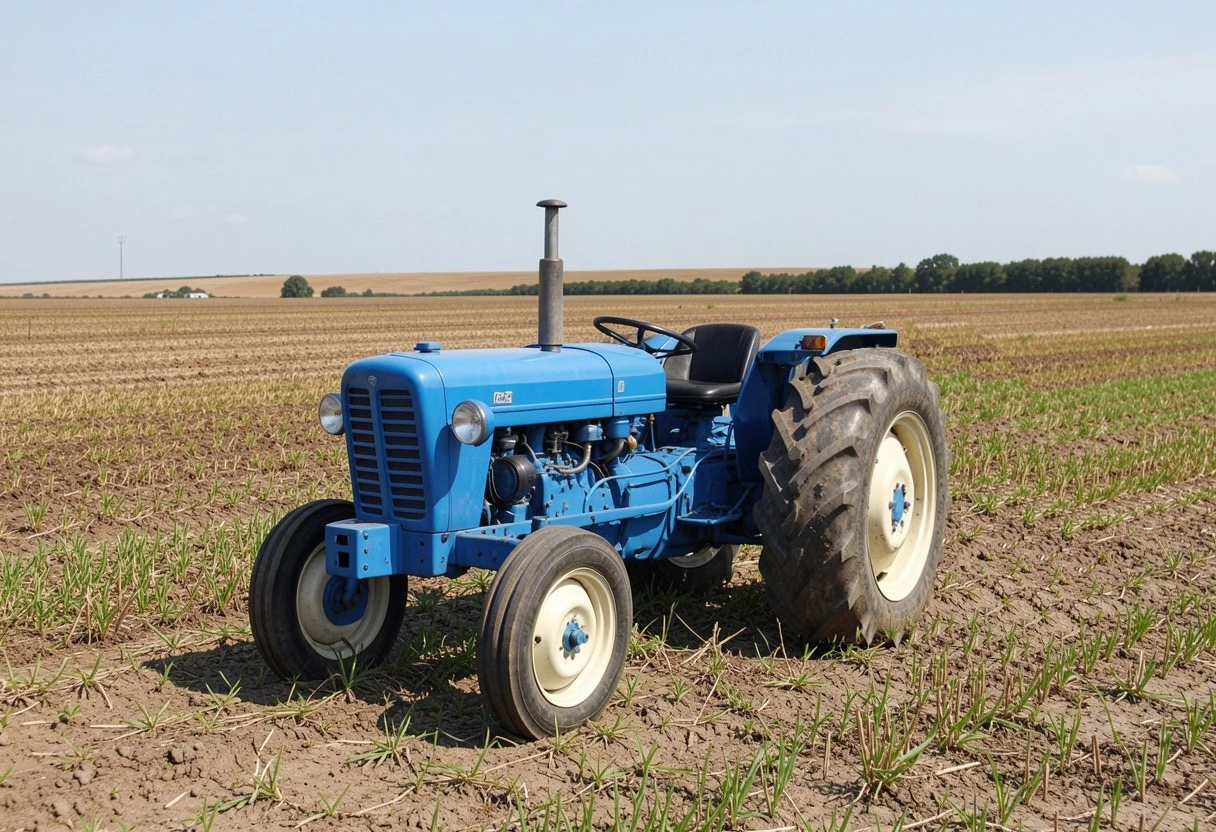
Advantages of 2WD Tractors
1. Lower Purchase Cost
In most markets, two-wheel-drive tractors are typically about 10% to 15% cheaper than four-wheel-drive models with the same horsepower. Due to their simpler structure and lighter overall weight, they also offer certain advantages in terms of transportation costs.
2. Simple Design and Lower Maintenance Costs
Without components such as the front axle differential, universal joints, and transfer case, the total number of parts is typically reduced by 20 to 40%, resulting in fewer maintenance tasks. In regions with limited agricultural machinery repair resources, this simple and reliable design is often preferred.
3. More Agile Handling
Two-wheel-drive tractors typically have a shorter wheelbase and narrower track width, resulting in a smaller turning radius. This makes it easier to turn and reverse in orchards, greenhouses, and other farm environments with limited space, thereby improving operational efficiency.
4. More Fuel Efficient for Light Farm Work
Because the machine is lighter, two-wheel-drive tractors generally consume less fuel than four-wheel-drive models of the same horsepower during light-duty operations such as leveling dry fields, seeding, fertilizing, and transporting.
Limitations of Two-Wheel-Drive Tractors
Of course, two-wheel-drive tractors are not suitable for all situations.
Since drive power is primarily concentrated on the rear wheels, the rear wheels are more prone to slipping when encountering wet or sticky soil, slopes, or rainy conditions.
Furthermore, when used for extended periods with deep plows, large balers, heavy-duty trailers, or frequent high-intensity loading operations, two-wheel-drive tractors generally fall short of four-wheel-drive models in terms of traction and off-road capability.
For large-scale deep plowing or heavy-duty agricultural operations, their overall operational efficiency is also often lower than that of four-wheel-drive tractors.
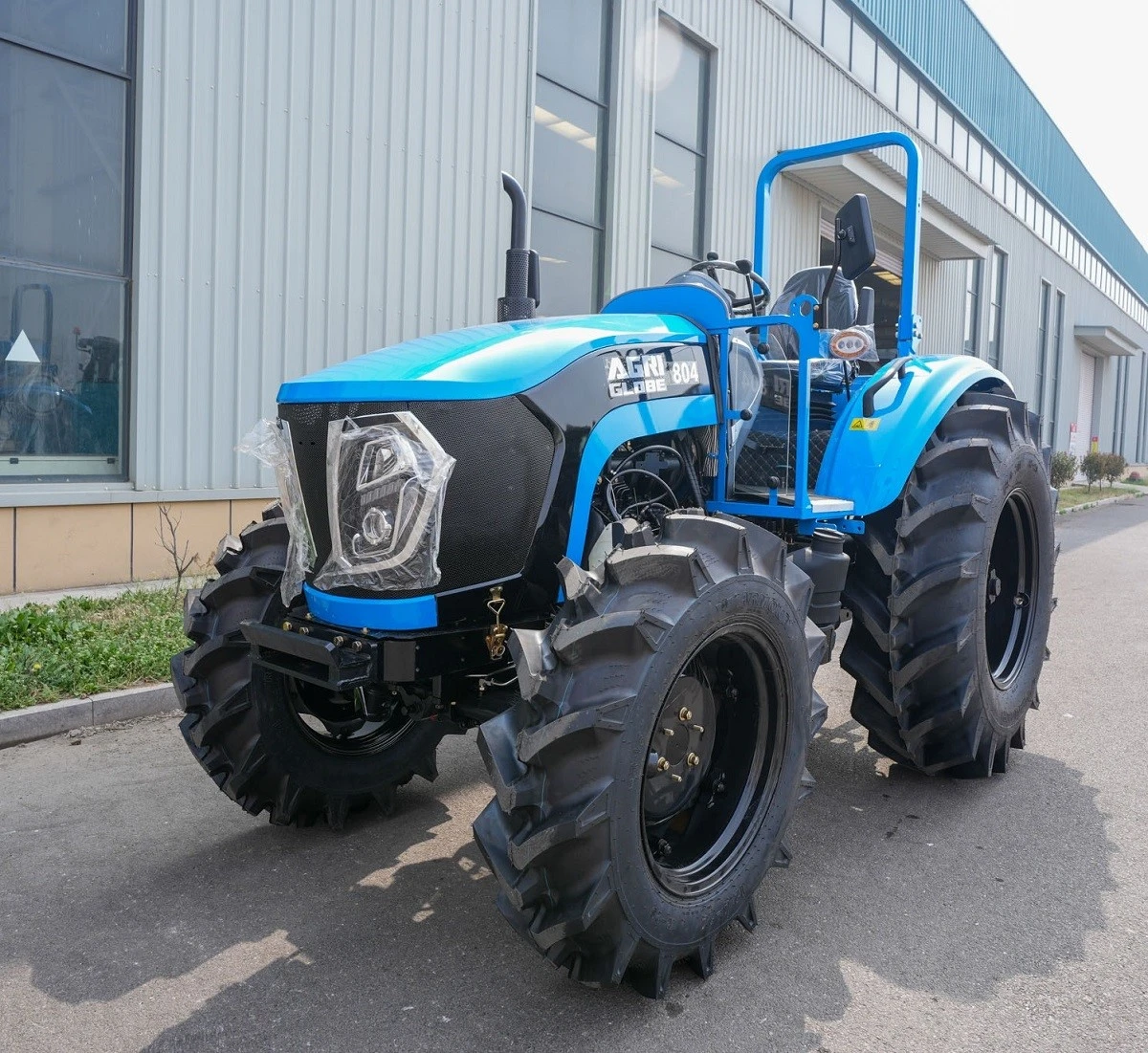
Why Are Four-Wheel-Drive Tractors Becoming Increasingly Popular?
The main purpose of a 4WD tractor is simple: to put more power to the ground when working in difficult field conditions.
By delivering power to both the front and rear wheels simultaneously, four-wheel-drive tractors achieve stronger traction, higher pulling efficiency, and better adaptability to varying terrain, making them particularly well-suited for paddy fields, mountainous areas, large-scale farms, and heavy-duty operations.
Of course, those advantages don't come for free.
A more complex drivetrain means higher purchase costs, greater overall weight, and relatively higher maintenance costs. For certain light-duty applications, these advantages may not fully translate into tangible benefits.
Why Do Two-Wheel-Drive Tractors Still Have a Market?
Although four-wheel-drive tractors have become the mainstream choice in many markets, there remains steady demand for two-wheel-drive tractors in Africa, South Asia, and some Latin American countries.
For farms primarily engaged in light-duty tasks such as seeding, fertilizing, and transport, 2WD tractors remain highly attractive due to their lower purchase cost, simpler maintenance structure, and simpler day-to-day operation.
How to Choose?
| Recommended 2WD | Recommended 4WD |
| Smaller cultivated area | Large-scale farms |
| Primarily flat dry land | Paddy fields, mountainous, and hilly terrain |
| Limited budget | Seeking higher operational efficiency |
| Limited local repair resources | Well-established local after-sales service |
| Mainly used for seeding, fertilizing, and transport | Deep plowing, heavy-duty work, and loader operations |
Summary
Simply put, four-wheel-drive tractors are more like "all-purpose heavy-duty tractors," while two-wheel-drive tractors are closer to "light-duty economy tractors."
Although it may seem like just a difference in drive systems, this distinction determines significant differences between the two models in terms of cost, efficiency, maintenance, and suitable applications. For farmers, choosing a model that suits their operational needs is often more important than simply pursuing higher-end specifications