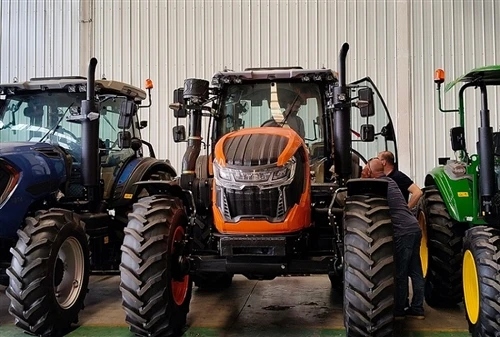
The seeder is an agricultural machine designed to plant crop seeds. Its core function is to evenly and accurately sow seeds into the soil, creating favorable conditions for seed germination.
Core Operational Functions
Precise Control: Can accurately control seeding rate, row (plant) spacing, and sowing depth, achieving precise single-seed planting.
Full-Process Operation: Sequentially completes furrow opening, seed placement, covering soil, and pressing. Some models can simultaneously apply fertilizer, spray pesticides, or lay film.
Versatile Adaptation: According to sowing methods, there are broadcast seeders, row seeders, and precision seeders, suitable for different crops such as grains, corn, and cotton.
Agricultural Production Benefits
Cost Saving: Saves seeds, reduces labor for thinning, and lowers operational costs.
Efficiency Improvement: Significantly increases the machine-sown area a single worker can manage, alleviating labor shortages during busy farming seasons.
Soil Protection: No-till seeders can plant directly in the stubble of previous crops, reducing soil erosion and compaction.
Technological Development Trends
Seeder technology is developing towards intelligence, precision, and sustainability, such as equipping with Beidou navigation systems, intelligent monitoring systems, and pneumatic seed metering technology, achieving high-speed and high-precision operations.