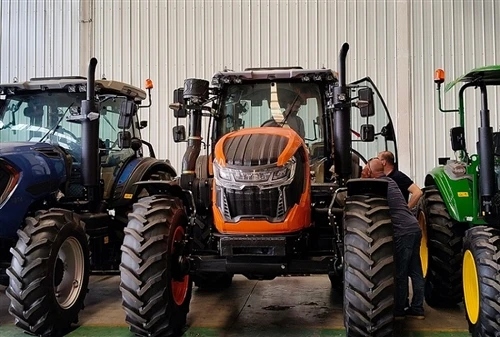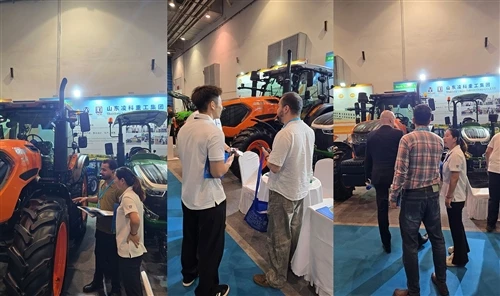
Maintenance of agricultural machinery and tools is key to ensuring operational efficiency, extending service life, and ensuring safe production.
Daily Maintenance Key Points
Timely Cleaning: Immediately remove soil, weeds, and oil stains from the tools after use to prevent corrosion and clogging.
Proper Handling of Malfunctions: If abnormalities occur, stop the machine and turn off the engine immediately; restore all safety devices after troubleshooting. Hand cleaning in dangerous areas is strictly prohibited.
Lubrication and Care: Apply suitable lubricating oil or grease to lubrication points (such as bearings, gears, sprockets, and oil nozzles) according to the manual. The lubrication cycle is generally every 2–5 hours of operation, or adjusted based on usage intensity.
Tightening and Inspection: Regularly check and tighten bolts and nuts to prevent component failure due to looseness.
Comprehensive Inspection Before Spring Plowing (Using Tractors and Attached Agricultural Machinery as Examples)
Engine System
Replace air filter, diesel filter, and oil filter;
Check the cooling system: ensure no cracks from freezing, use soft water (avoid well water/tap water), and keep water level stable;
Check the electrical system: ensure proper starting, lighting, and instrument functions, the battery is fully charged, and the electrolyte level meets standards.
Chassis System
Check gearbox, front axle, and final drive lubricating oil;
Adjust steering system clearance (mechanical play 15–30mm, hydraulic ≤30°);
Ensure clutch fully disengages without sticking, and that gear shifting is smooth when the pedal is pressed about four-fifths of the way down;
Brake system: free travel 10–15mm, left and right synchronized, no sticking.
Attachment of Agricultural Machinery and Working Parts:
Ensure the driveshaft matches the PTO spline, engagement length ≥ 200mm;
Keep rotary tillers and other tools level, with input shaft coaxial with tractor output shaft;
Blades, blade holders, oil seals, and other wear parts should be undamaged and secured according to double-helix direction.
Seasonal/Long-Term Storage Maintenance
Moisture and Rust Prevention: Store in a cool, dry, and ventilated warehouse, place wooden boards or bricks on the floor; avoid direct sunlight on rubber parts and plastic pipes.
Avoid Mixed Storage: Do not store together with fertilizers or pesticides to prevent chemical corrosion.
Before Winter/Idle Period: Drain cooling water, loosen V-belts, remove and lay down spring plates, and disconnect or remove the battery's negative terminal for storage. ...